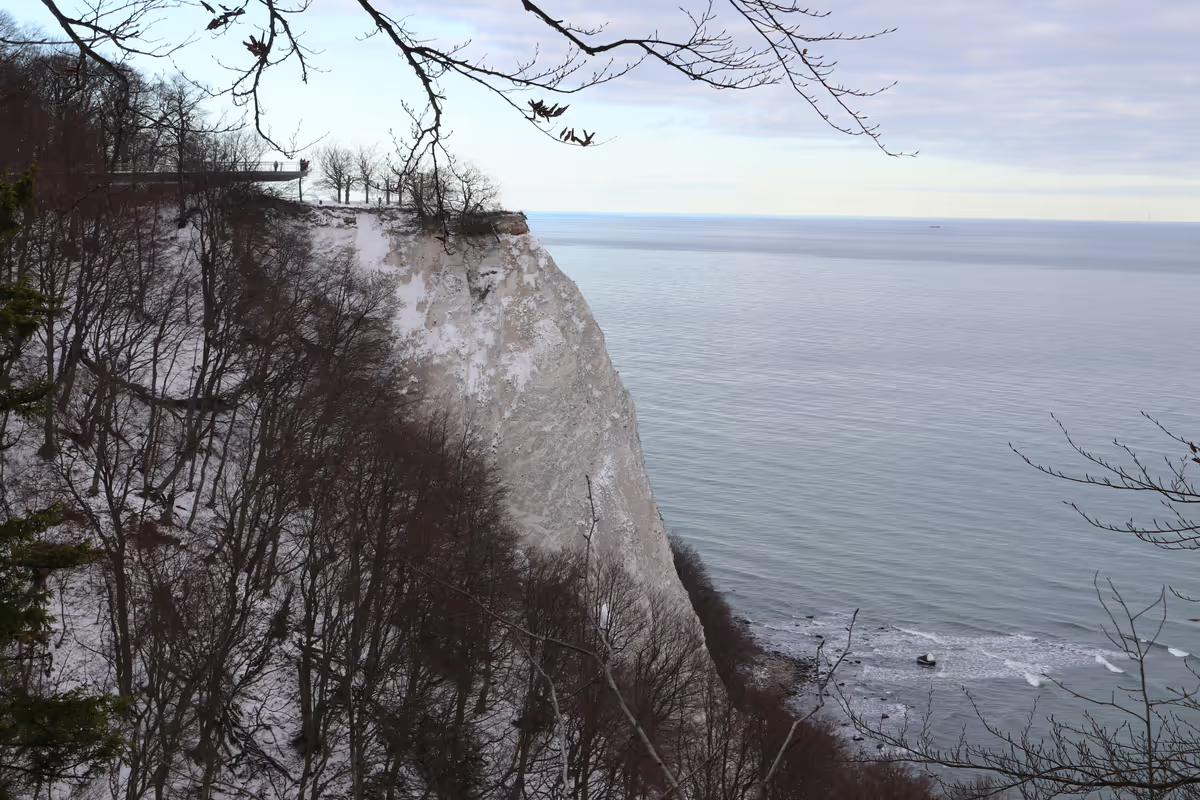
Rügen Island – Chalk Cliffs, Caspar David Friedrich and Imperial Nostalgia
Caspar David Friedrich's motif, Wilhelmine seaside culture and the largest Nazi construction project in history: Rügen is more layered than any Baltic postcard shows – privately discovered, historically grounded.
Plan Your Private TourDuration
2–3 days
Region
Island of Rügen, Mecklenburg-Vorpommern
Format
Private Chauffeur Tour
Highlights
- Jasmund National Park – chalk cliffs at the Königsstuhl, Caspar David Friedrich's motif in the original
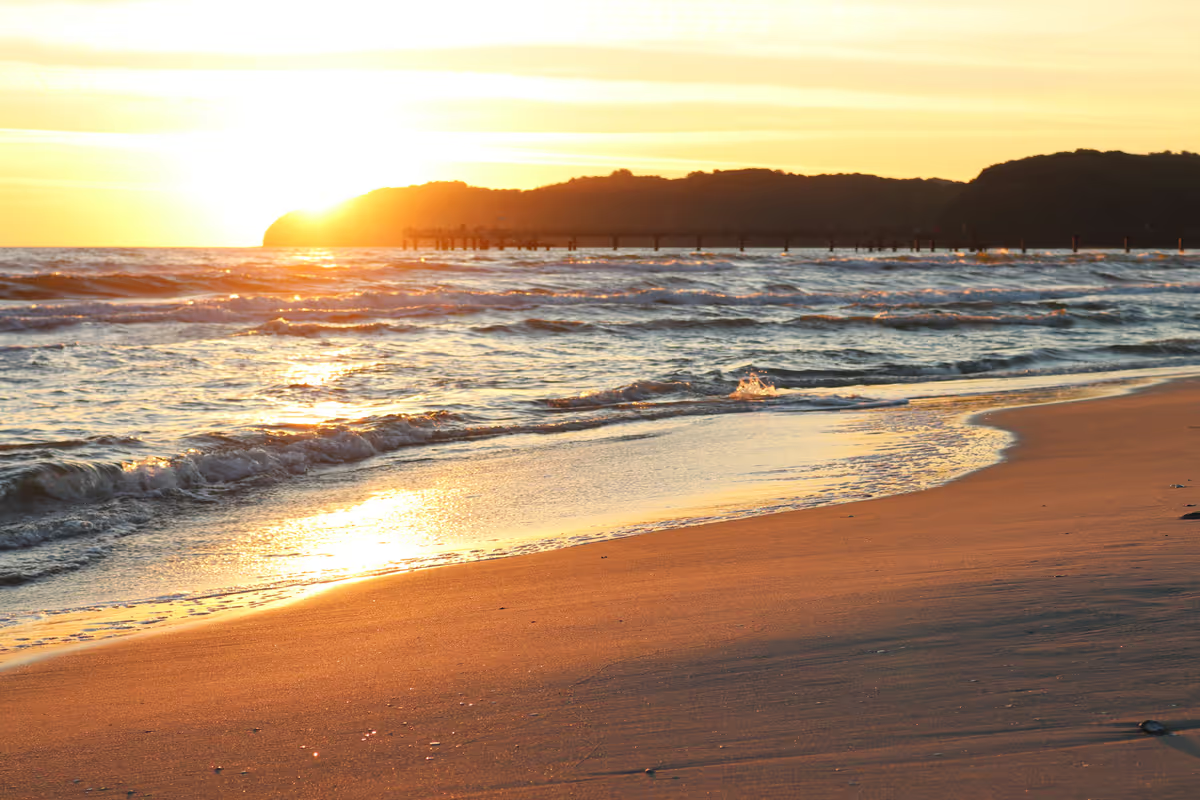
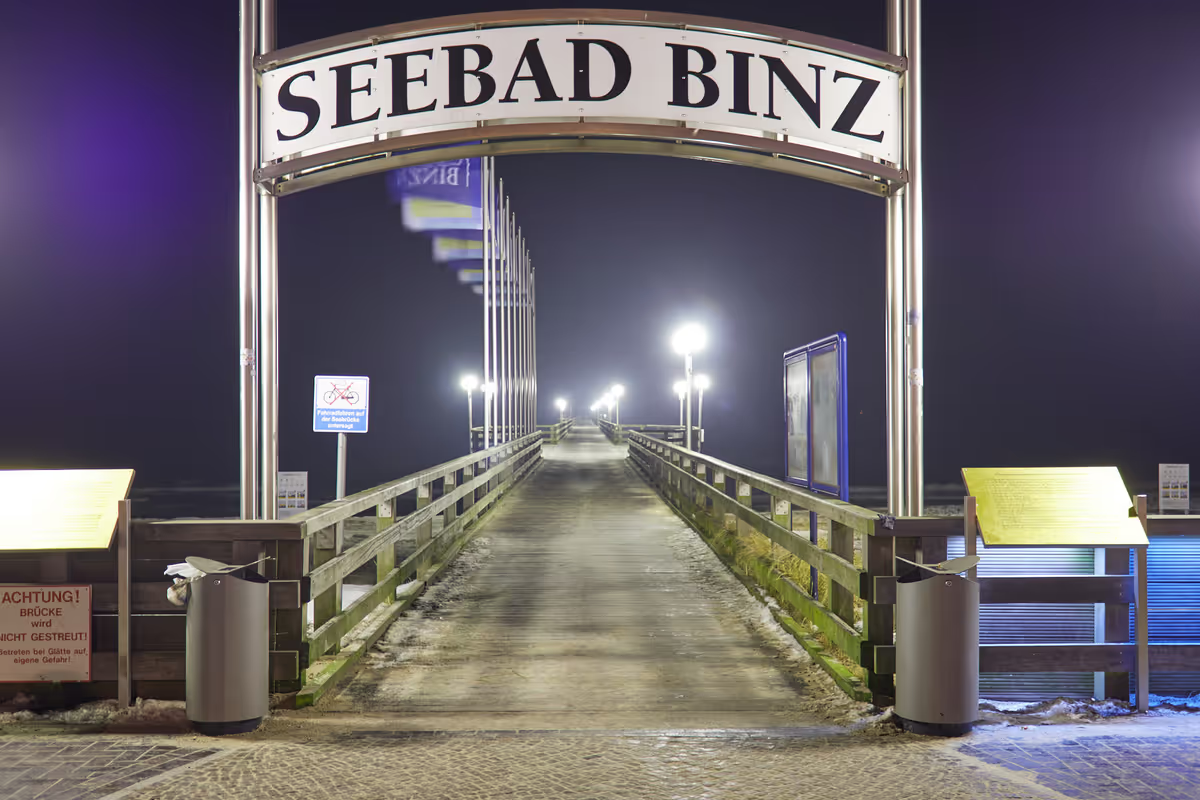
- Baltic resort Binz – Wilhelmine seaside architecture, pier and beach promenade
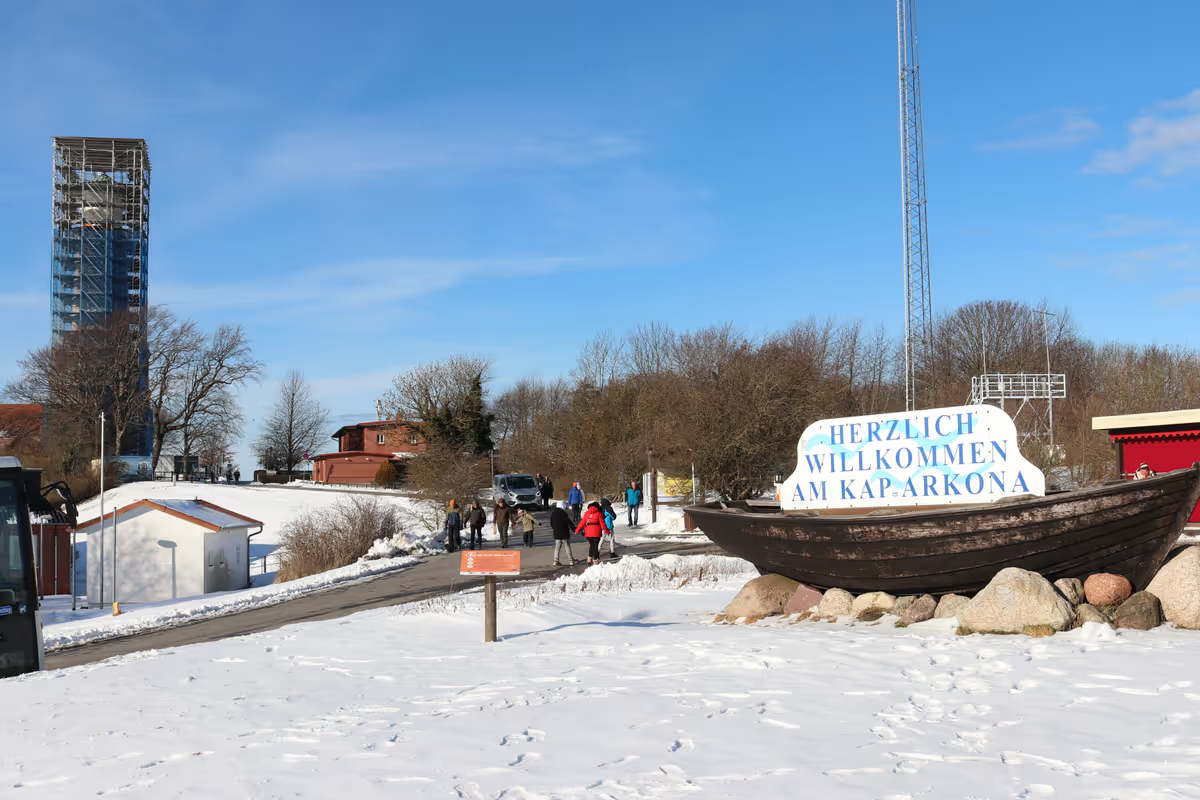
- Cape Arkona – Germany's northernmost point with lighthouses and Slavic fortress remains
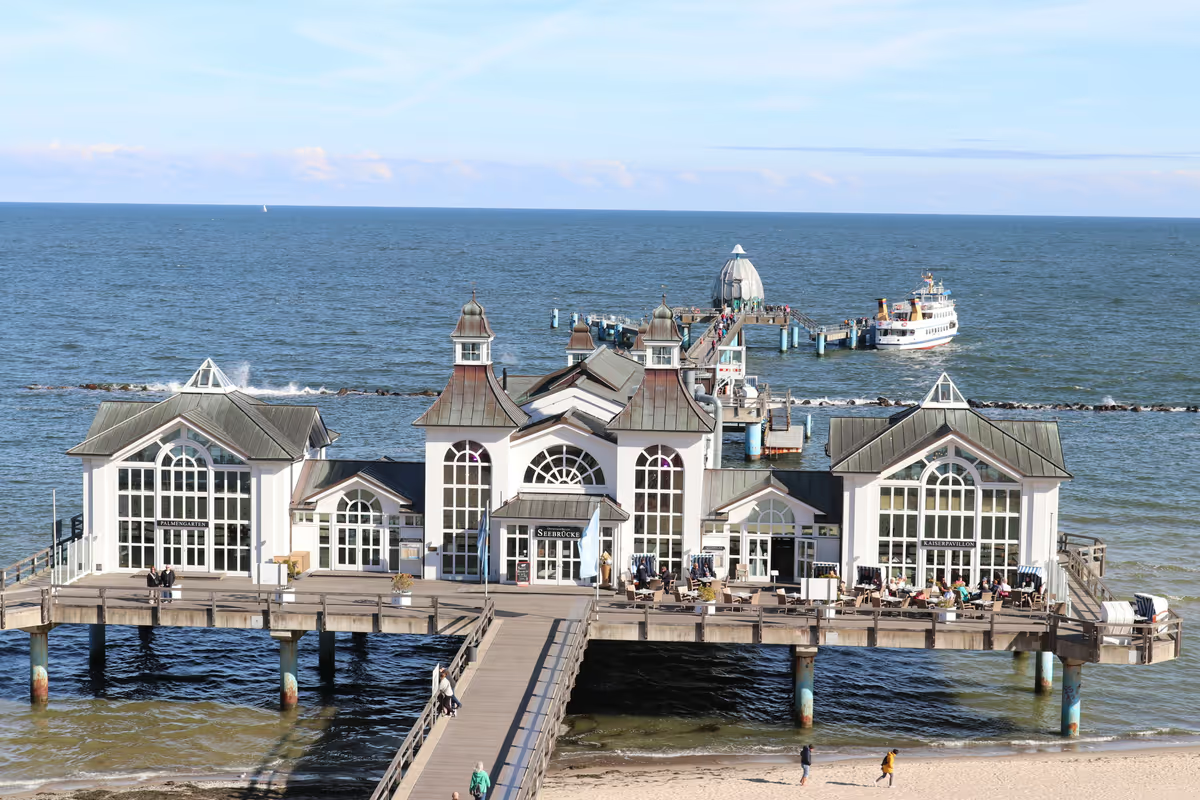
- Sellin Pier with diving gondola – one of the last surviving imperial-era piers
- KdF Prora – the 4.5 km structure as part of the island's complete history
- Private transfer from Hamburg or Berlin
Enquire – no commitment, no form.
Enquire →Experience
Geography: Germany's Largest Island
Rügen, at 926 square kilometres, is Germany's largest island, connected to the mainland by the Rügen causeway (road bridge since 1936, railway bridge since 1937). The island lies in the northeast of Mecklenburg-Vorpommern, opposite Stralsund, and has a coastline of over 570 kilometres – shaped by chalk cliffs, sandy beaches, lagoon waters and steep shores.
Caspar David Friedrich and the Chalk Cliffs
The chalk cliffs of Jasmund National Park are Rügen's most iconic image – white limestone rocks rising steeply from the Baltic, crowned by beech forest. Caspar David Friedrich immortalised this view in 1818 in his painting "Chalk Cliffs on Rügen," now held at the Kunstmuseum Winterthur and regarded as one of the key works of German Romanticism. The Königsstuhl – at 118 metres the island's highest chalk cliff – is the best-known viewpoint.
What Friedrich painted can still be seen today – but only at specific times and from the right spot. We show you where Friedrich stood and what he saw: an experience that moves between art history, geology and direct nature.
The Imperial Resorts: Binz, Sellin, Baabe
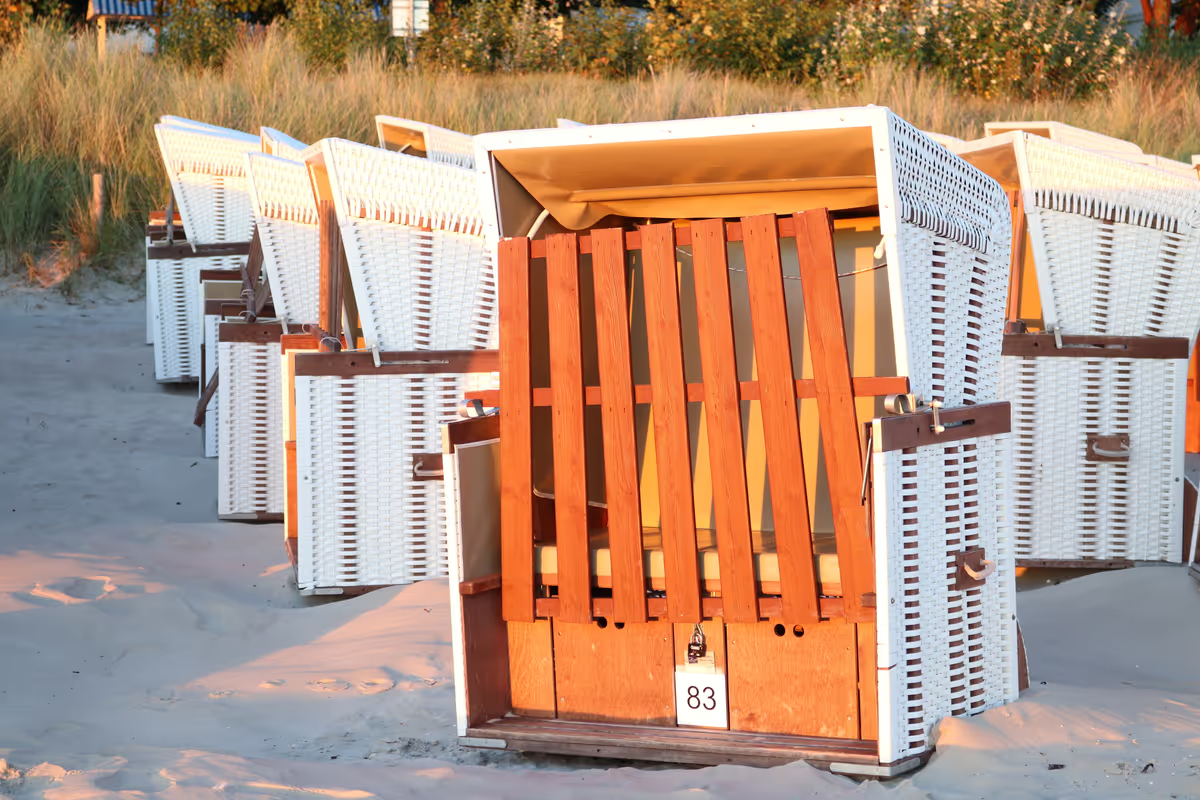
Rügen's seaside resorts on the eastern coast – Binz, Sellin, Baabe and Göhren – are an ensemble of Wilhelmine seaside architecture without equal in Germany. The white villas with their wooden verandas, the piers, the broad sandy beaches: the Baltic resort of Binz was developed from 1879 as a fashionable destination for Berlin society. The substance of that era survives largely intact – restored but not reconstructed.
The Sellin Pier with its diving gondola is one of the rare surviving pier structures from the imperial period. The pavilion building at the end of the 394-metre jetty offers one of the finest views over the open Baltic.
Cape Arkona and the North
Cape Arkona at Rügen's northern tip – Germany's northernmost mainland point on Rügen itself – is a place of particular atmosphere: two lighthouses (1826 and 1902), the remains of a 10th-century Slavic fortress, and a panoramic view across the Baltic that on a clear day reaches as far as Denmark. The approach runs through one of the last undeveloped stretches of German coastline.
Prora and the Island's Nazi History
Rügen is not only natural idyll and imperial elegance – it is also the site of the largest Nazi construction project in history. The KdF resort Prora, 4.5 kilometres long, stands just a few kilometres north of Binz: a parallel history that no visit to the island is complete without. We integrate Prora into your Rügen journey as it belongs historically – as part of the complete picture.
Gallery
Frequently Asked Questions
How long does a Rügen private tour take?
When is the best time to visit Rügen?
Can I actually find the exact spot Caspar David Friedrich painted from?
Where do you recommend staying on Rügen?
Your Experience
- Private transfer in a luxury vehicle
- Personal driver & travel companion
- Handpicked luxury hotels
- Flexible itinerary adjustments
Why this tour?
Rügen is easy to reach but rarely truly discovered. Those who arrive by train and stay in a holiday hotel see chalk cliffs and a beach chair. Our guests see Rügen – the island behind the island: with local knowledge, time and the comfort of a private journey.
Your Individual Private Tour
Every trip is planned for you
Route, duration, hotels and itinerary – tailored to your wishes. Price on request.
Enquire Now