Nuremberg – Rally Grounds and War Crimes Trials, Privately Explored
Speer's gigantic stage of power, Riefenstahl's film backdrop, the site of the Nuremberg Trials: a private tour through the place where the Nazi regime staged itself – and where it was called to account.
Plan Your Private TourDuration
1–2 days
Region
Nuremberg, Bavaria
Format
Private Chauffeur Tour
Highlights
- Congress Hall – largest surviving Nazi structure in Germany, 270 m diameter unfinished shell
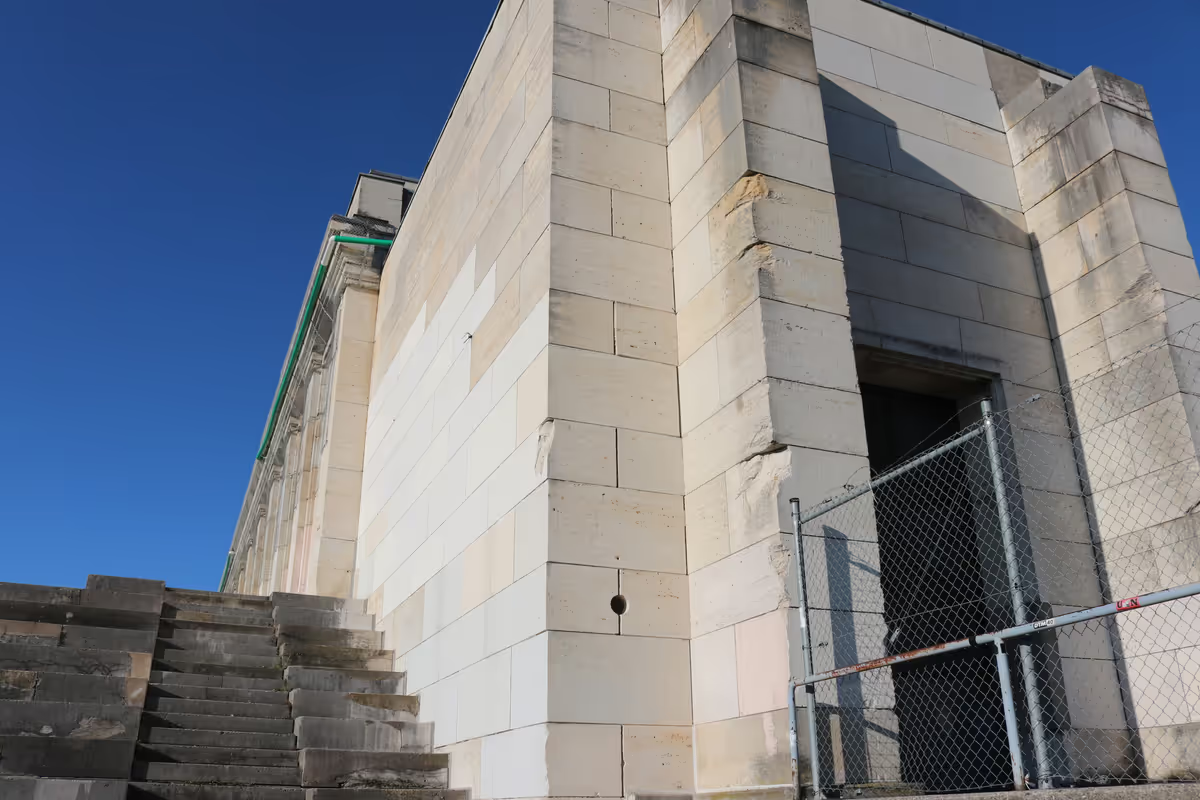
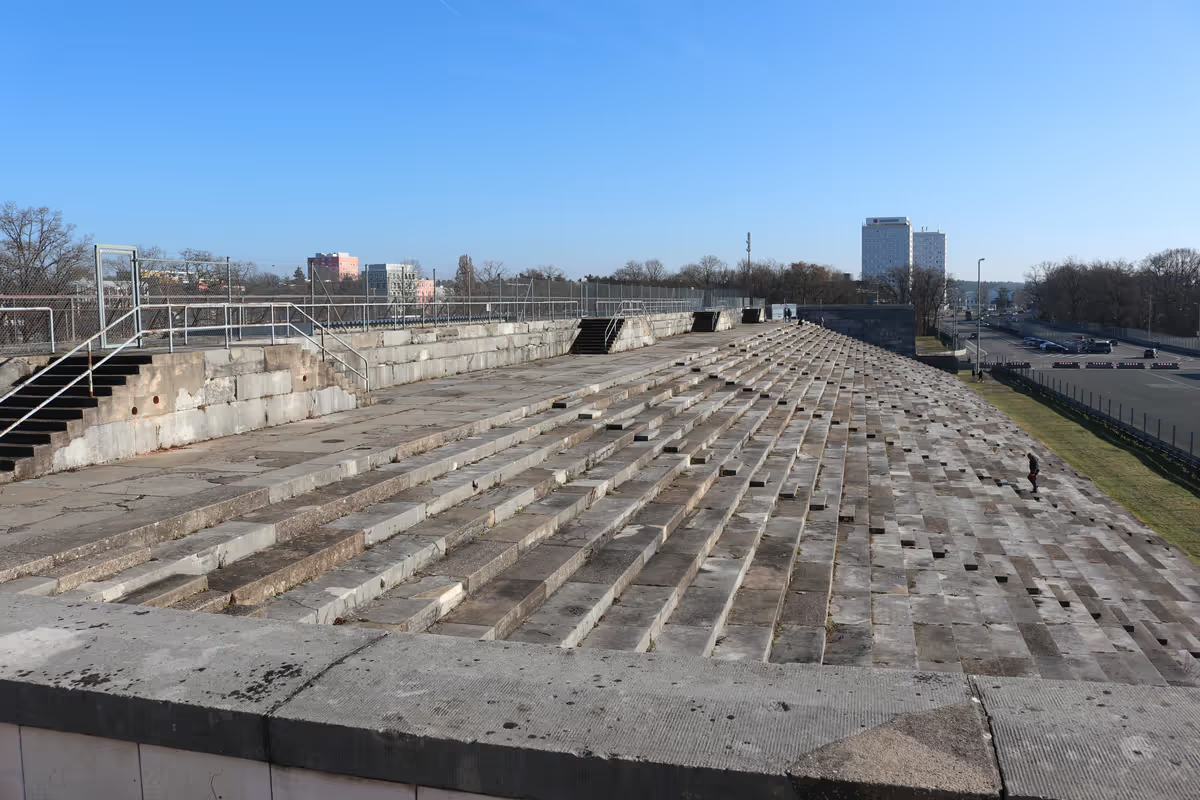
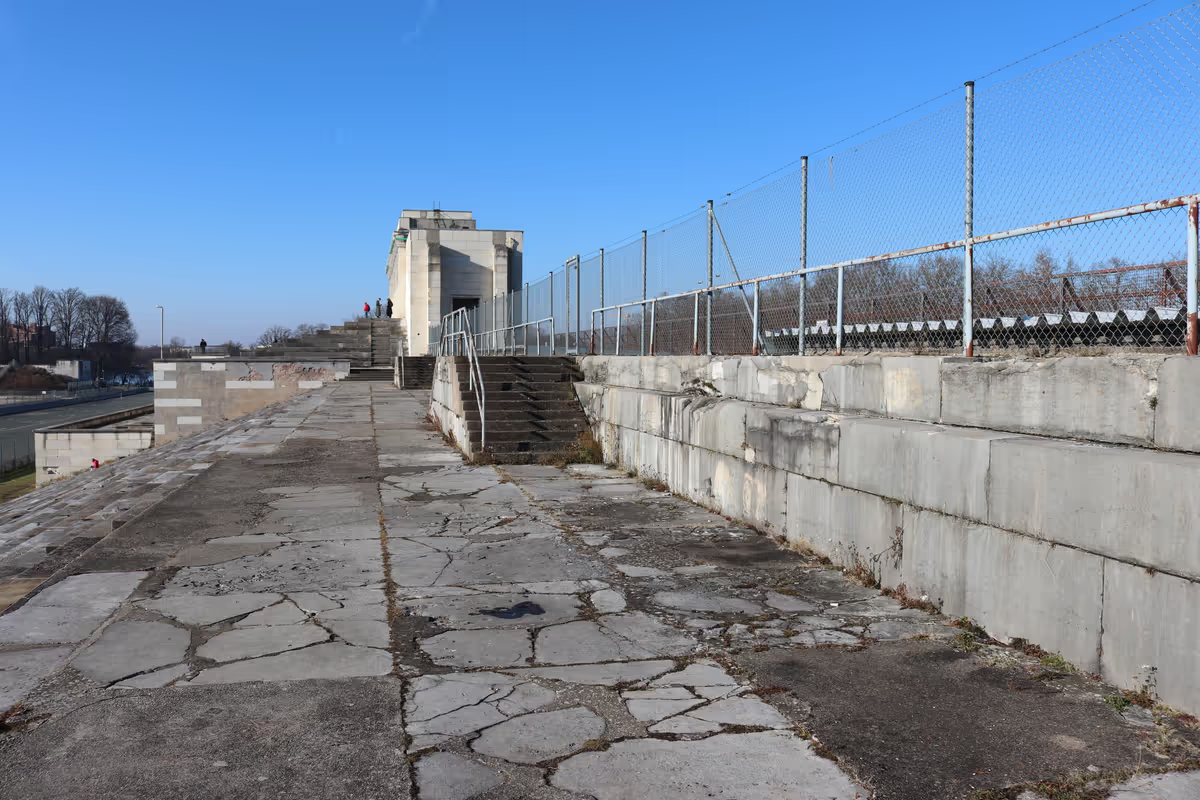
- Zeppelin Tribune – stage of the party rallies, backdrop for Riefenstahl's "Triumph of the Will"
- Documentation Centre – Bavaria's finest permanent exhibition on National Socialism
- Courtroom 600 – the Nuremberg Trials courtroom, today a memorial
- Nuremberg old town with Imperial Castle – the medieval symbolism Hitler deliberately appropriated
- Private transfer and historical context from an experienced travel companion
Enquire – no commitment, no form.
Enquire →Experience
Location and Geography
The Nazi Party Rally Grounds lie in the southeast of Nuremberg, directly adjacent to the Dutzendteich – a recreational lake area that the Nazi Party progressively expropriated from 1933 for its prestige project. The original site covered approximately 11 square kilometres. Nuremberg lies at the heart of Franconia, 170 kilometres north of Munich and 220 kilometres south of Frankfurt – easily reached by rail or private vehicle.
Nuremberg as a Stage for Nazi Self-Presentation
Nuremberg was no randomly chosen location. The medieval imperial city was regarded as the home of imperial tradition – with its castle, craft guilds and the aura of German history. Hitler wanted precisely this symbolism for the Nazi Party: from 1927 the party held its congresses in Nuremberg, and from 1933 they became the greatest propaganda spectacles in world history.
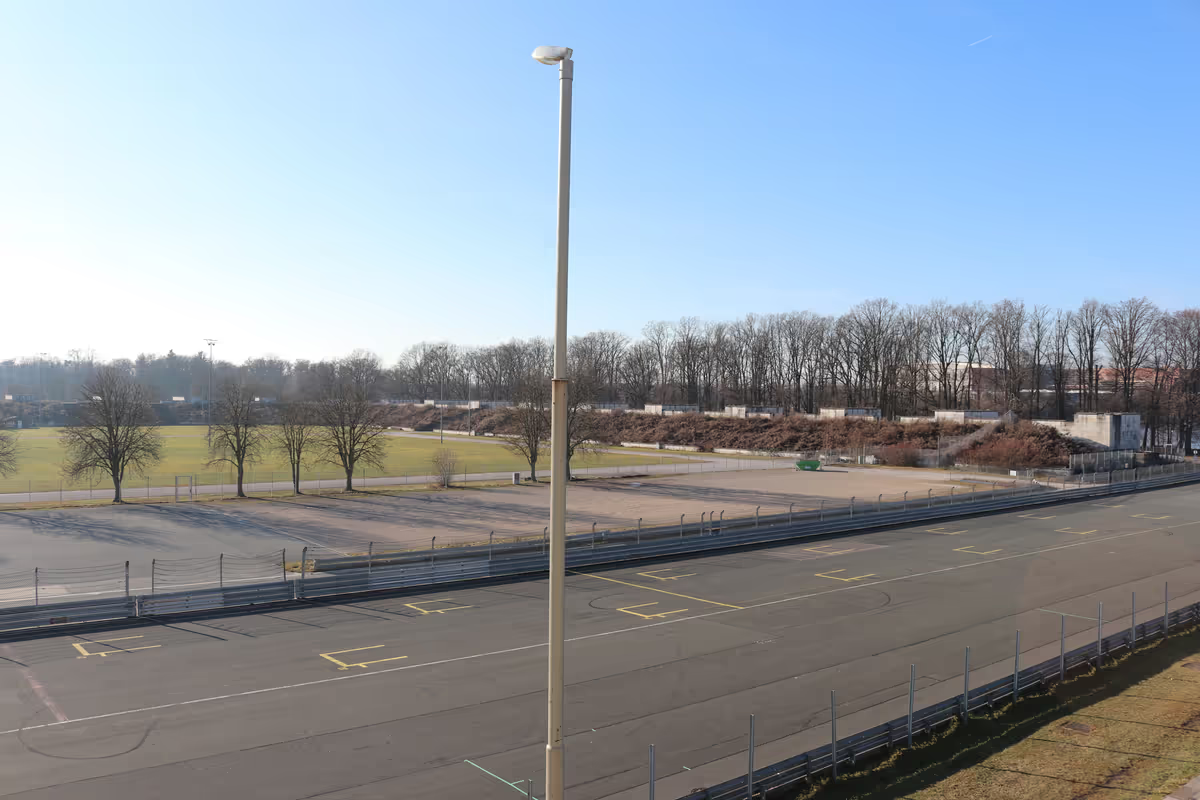
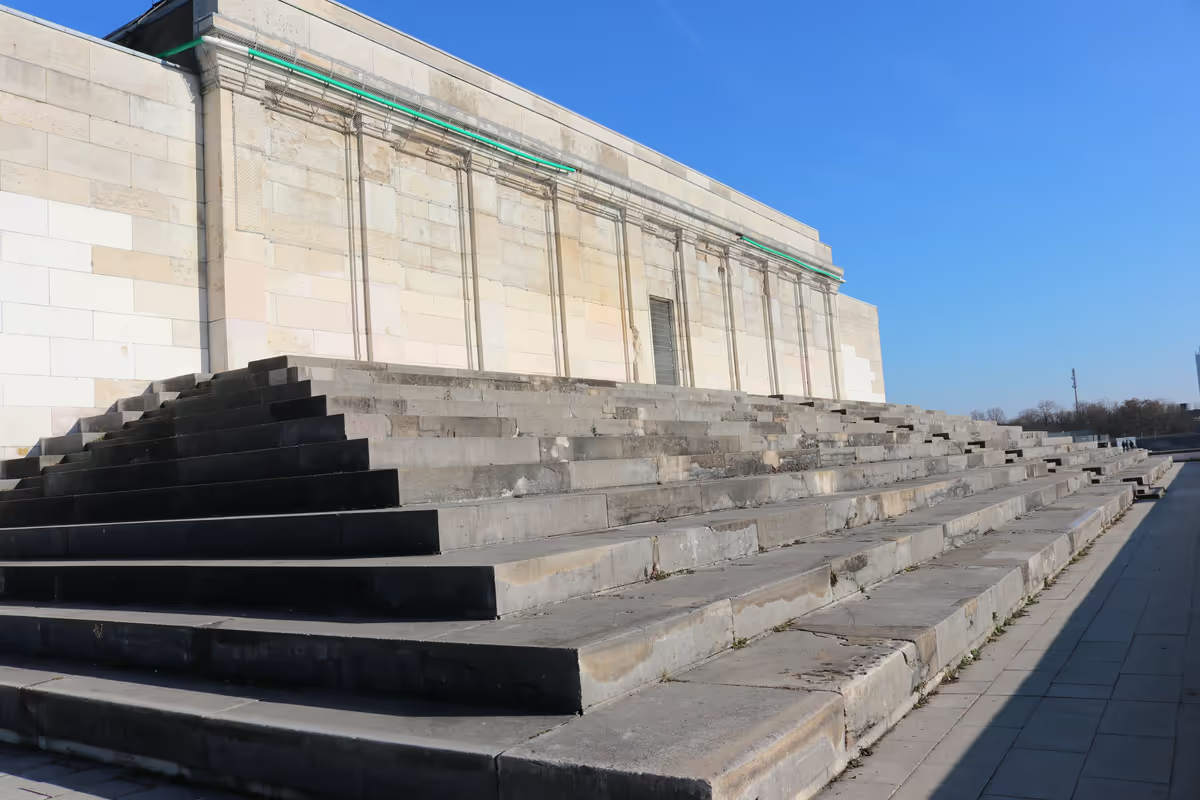
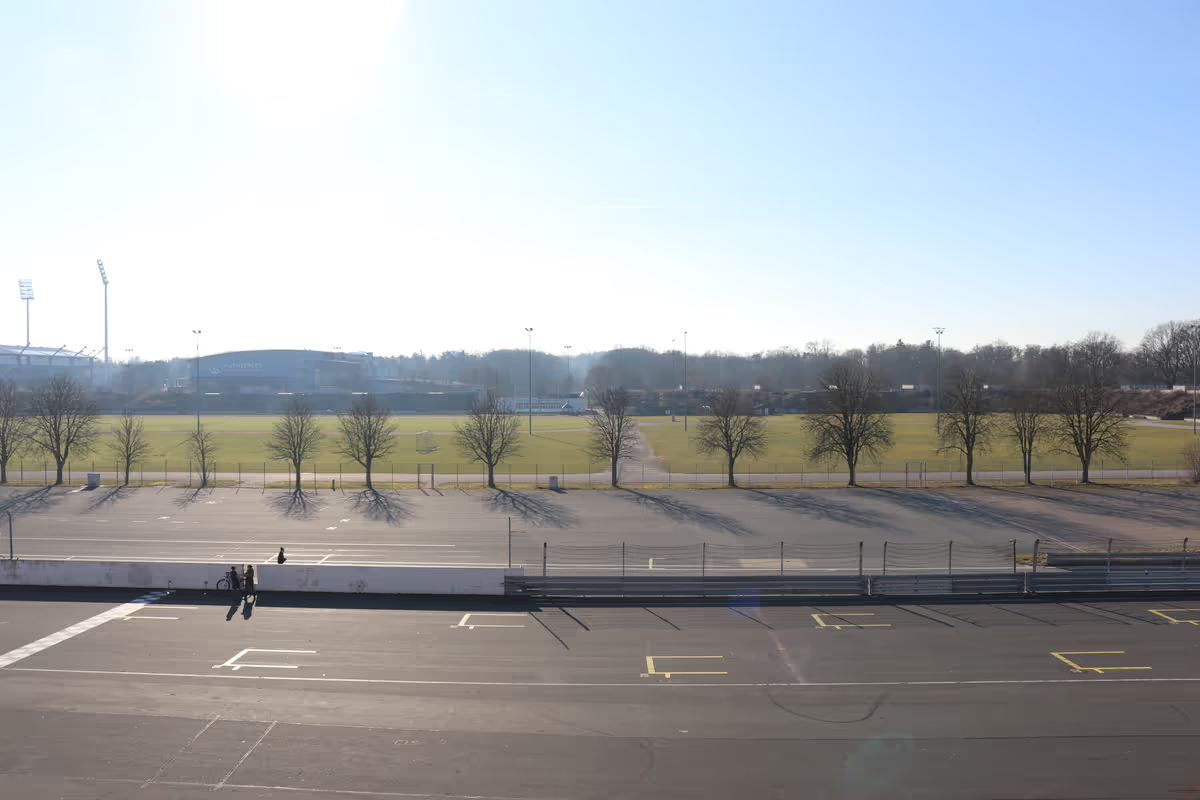
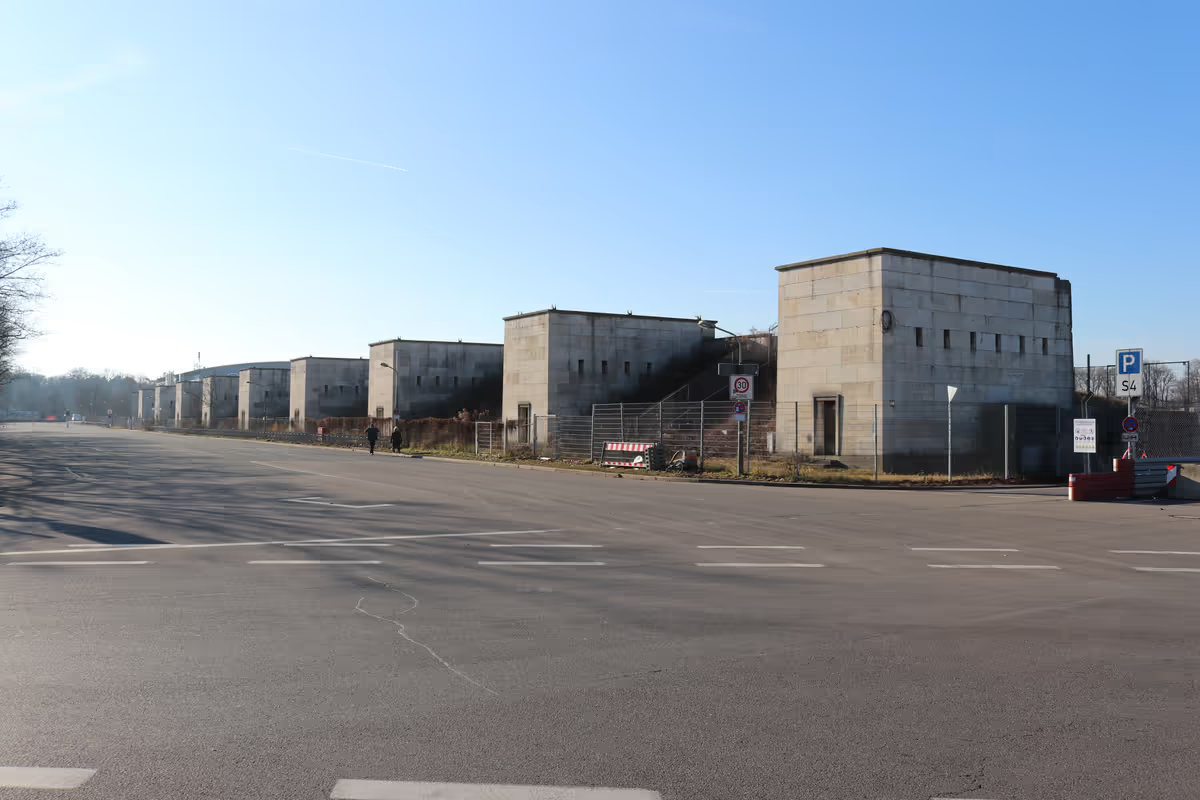
Albert Speer designed a complex of gigantic proportions from 1934. The Zeppelin Field with its 360-metre tribune held 150,000 people. The German Stadium – planned as the world's largest, with 405,000 spectator places – was never completed; the construction pit filled with groundwater to become today's Silbersee lake. The Congress Hall, intended to surpass the Roman Colosseum by a third, remained as a vast unfinished shell and is today the most impressive surviving Nazi-era structure in Germany.
Between 1933 and 1938, the annual party rallies were held here – multi-day mass events involving up to a million mobilised participants. Leni Riefenstahl's documentary "Triumph of the Will" (1935) made the images world-famous: endless seas of flags, torchlight processions, Speer's Cathedral of Light from 152 anti-aircraft searchlights.
End of the War and the Nuremberg Trials
On 20 April 1945 – Hitler's 56th birthday – American troops blew the swastika from the Zeppelin Tribune: a gesture that was photographed worldwide and broadcast as a symbol of the regime's end. Nuremberg was by this point largely destroyed.
In November 1945, the main war crimes trials began at Nuremberg's Palace of Justice. 21 leading Nazi perpetrators were indicted before an International Military Tribunal; 12 received death sentences, 7 prison sentences. Hermann Göring evaded execution by suicide on the eve of the proceedings. Courtroom 600, where the trials were held, is today accessible as a memorial – the only place in the world where you can stand in the courtroom of the first international war crimes tribunal.
What Can Be Seen Today
The Documentation Centre Nazi Party Rally Grounds, housed in the northern section of the Congress Hall (opened 2001), offers the most rigorous permanent exhibition on the history of National Socialism in Bavaria. The Congress Hall itself – 270 metres in diameter, 39 metres high, red brick – can be walked around on the outside and conveys the scale of the intended monument more eloquently than any description. The Zeppelin Tribune, after a lengthy and expensive debate about restoration, is partially accessible; its condition mirrors Germany's still-unresolved relationship with Nazi architecture.
Gallery
Related Tours
Frequently Asked Questions
What can you see at the former Nazi Party Rally Grounds today?
Can you also visit the Nuremberg Trials courtroom?
How much time should I plan?
How does the private tour differ?
Your Experience
- Private transfer in a luxury vehicle
- Personal driver & travel companion
- Handpicked luxury hotels
- Flexible itinerary adjustments
Why this tour?
Nuremberg is the only place in Germany where the rise, self-presentation and fall of the Nazi regime can be read in a single cityscape: the medieval backdrop Hitler claimed for himself; the vast stone theatre Speer built for him; the courtroom where the regime was condemned. That concentration exists nowhere else.
Your Individual Private Tour
Every trip is planned for you
Route, duration, hotels and itinerary – tailored to your wishes. Price on request.
Enquire Now