Romantic Road – 350 km of Medieval Germany as a Private Journey
The world's largest ceiling fresco in Würzburg, Germany's most complete medieval town walls in Rothenburg, the world's oldest social housing in Augsburg: the Romantic Road delivers far more than its name promises.
Plan Your Private TourDuration
2–4 days
Region
Bavaria / Baden-Württemberg, Germany
Format
Private Chauffeur Tour
Highlights
- Würzburg Residence – Tiepolo's 600 m² ceiling fresco, Bavaria's greatest Baroque palace
- Rothenburg ob der Tauber – 2.4 km complete town walls, saved by a childhood painting
- Dinkelsbühl – same medieval splendour, without the crowds, barely discovered
- Augsburg Fuggerei – world's oldest social housing, annual rent since 1521: €0.88
- Neuschwanstein as the southern finale of the route
- Overnight stays in historic town hotels and romantic inns along the way
Enquire – no commitment, no form.
Enquire →Experience
What Is the Romantic Road?
The Romantic Road is Germany's oldest and most famous tourist route – 350 kilometres through Bavaria and Baden-Württemberg, from Würzburg in the north to Füssen in the south, established in 1950 as a marketing route for tourism. It connects a string of historic towns and villages of unparalleled density: medieval market towns, princely residences, monasteries, castles and baroque churches in close succession.
The name is no accident: the route was named at a time when "Romantic" in postwar Germany stood for the idyllic, the unspoiled, the antithesis of industrialisation and war. And indeed, this part of Germany survived the Second World War largely intact.
Würzburg: World Heritage on the Main
The Würzburg Residence (1720–1744, Balthasar Neumann) is one of the most significant Baroque palaces in Europe and a UNESCO World Heritage Site. The ceiling fresco by the Venetian Giovanni Battista Tiepolo in the grand staircase – at 600 square metres the largest ceiling fresco in the world, an allegorical panorama of four continents – is worth the journey alone. Würzburg is also the city of Franconian wine: the Stein vineyard is one of the oldest continuously documented wine sites in Europe, with records dating to 779 AD.
Rothenburg ob der Tauber: Germany's Best-Preserved Medieval Town
Rothenburg ob der Tauber is one of the most completely preserved medieval town centres in Germany – and in Europe. The town walls survive intact and fully walkable: 2.4 kilometres with towers, gates and watchtowers. The old town within is a coherent ensemble of half-timbered houses from the 14th to 17th centuries, squares and lanes, all under heritage protection.
Rothenburg survived the Second World War largely through a remarkable twist of history: the American General John T. McCloy had seen a painting of Rothenburg in his childhood home – and in April 1945 wrote a letter requesting that the town be spared. His friend, Assistant Secretary of War Robert Patterson, issued orders to avoid bombing the city if German defenders surrendered. They did. The painting still hangs in the town hall today.
Dinkelsbühl: Rothenburg's Quieter Sister
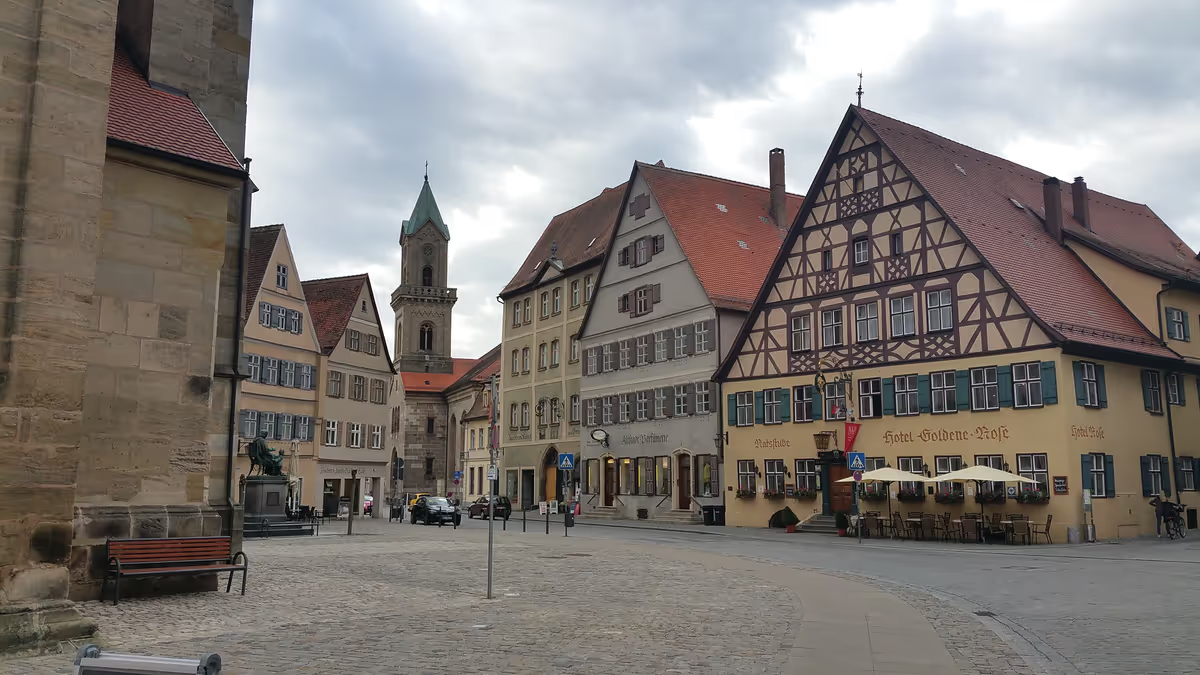
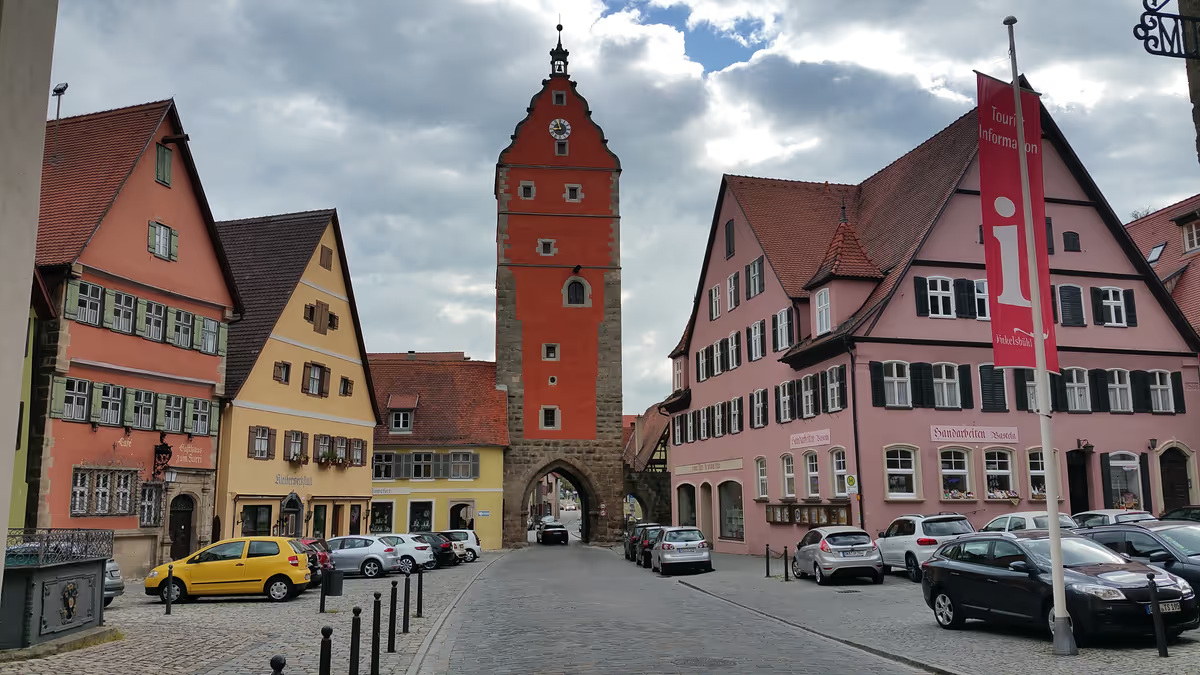
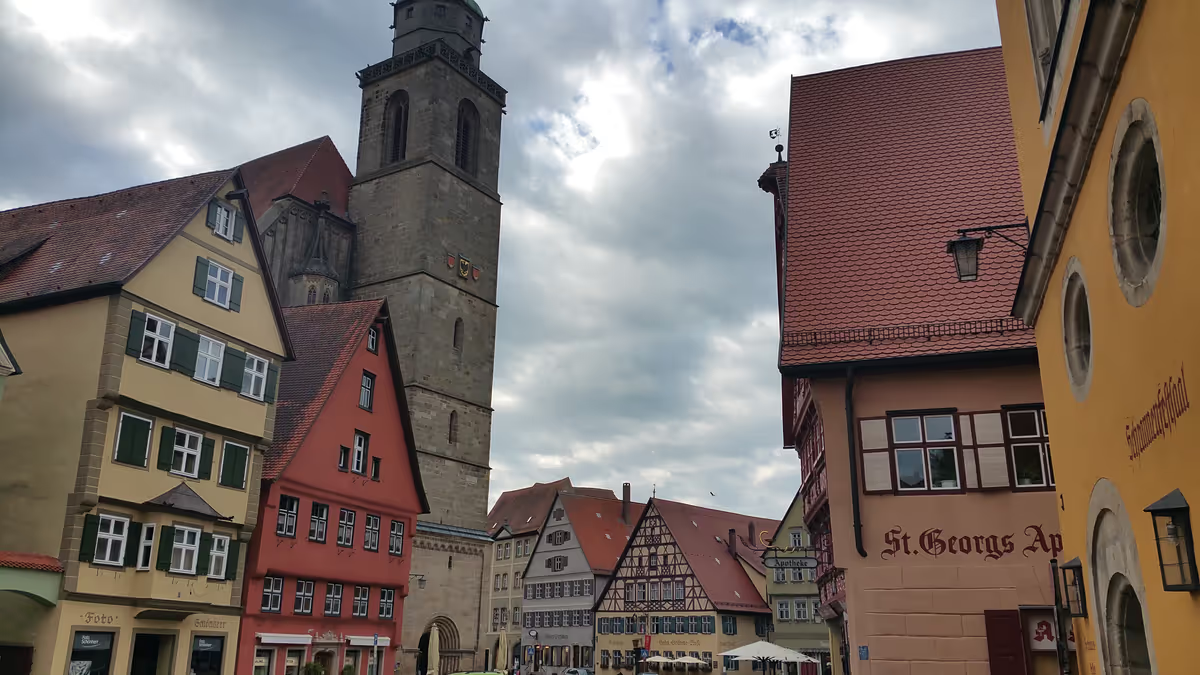
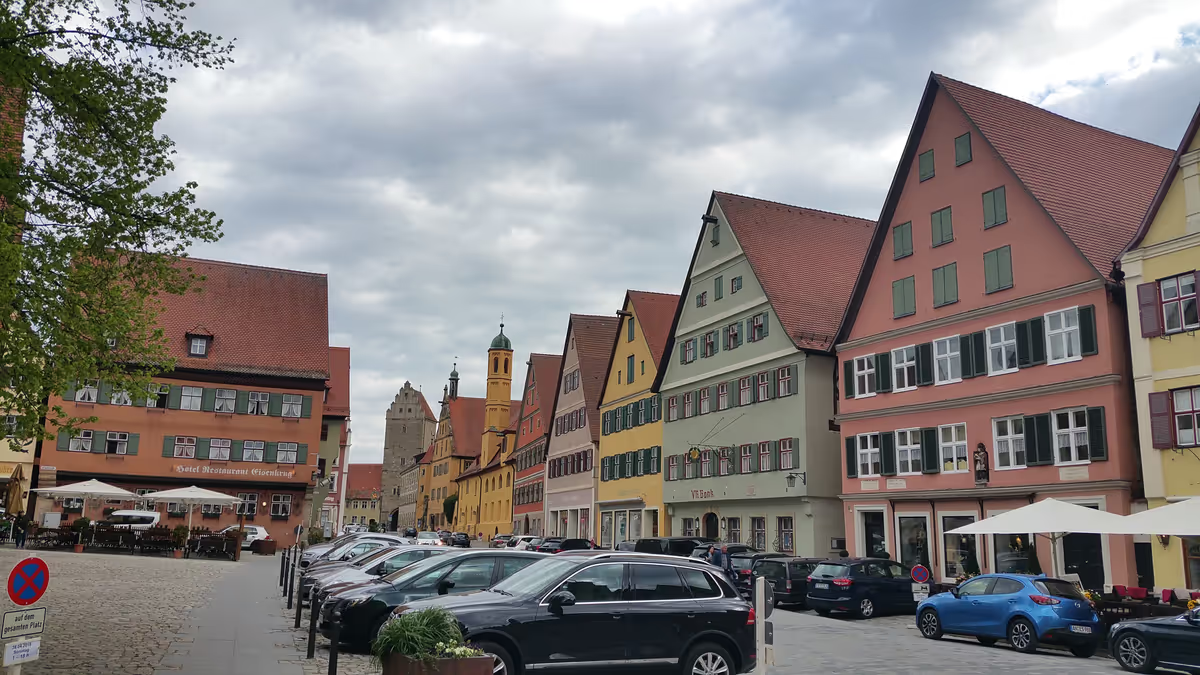
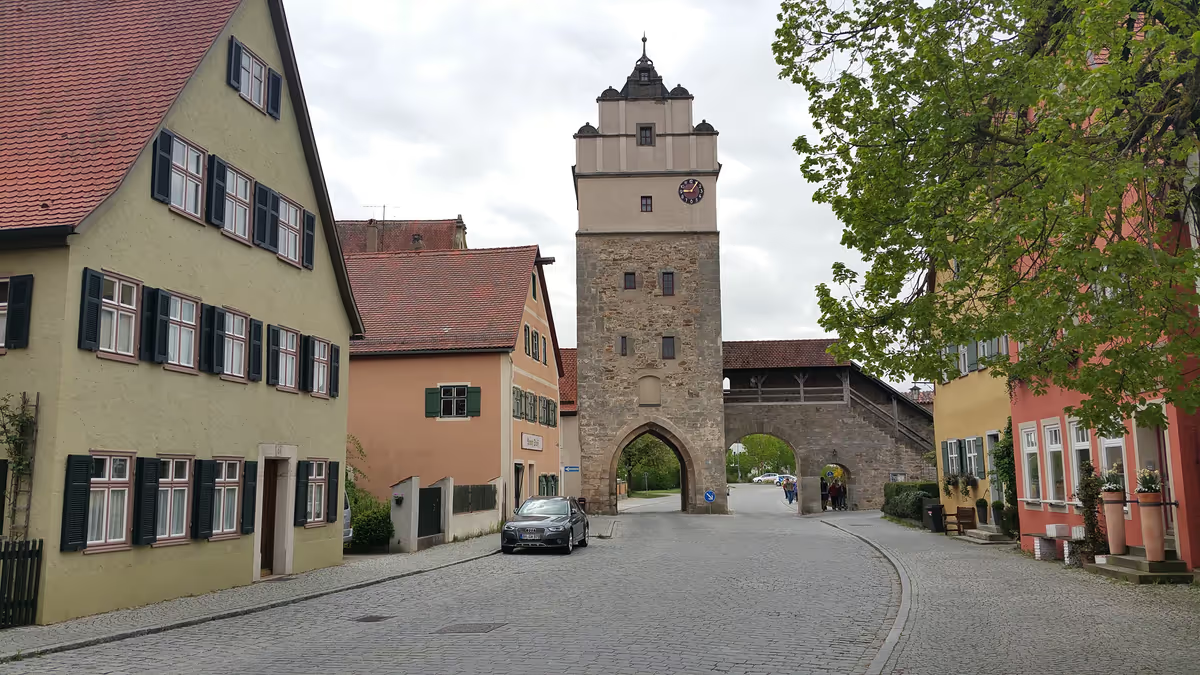
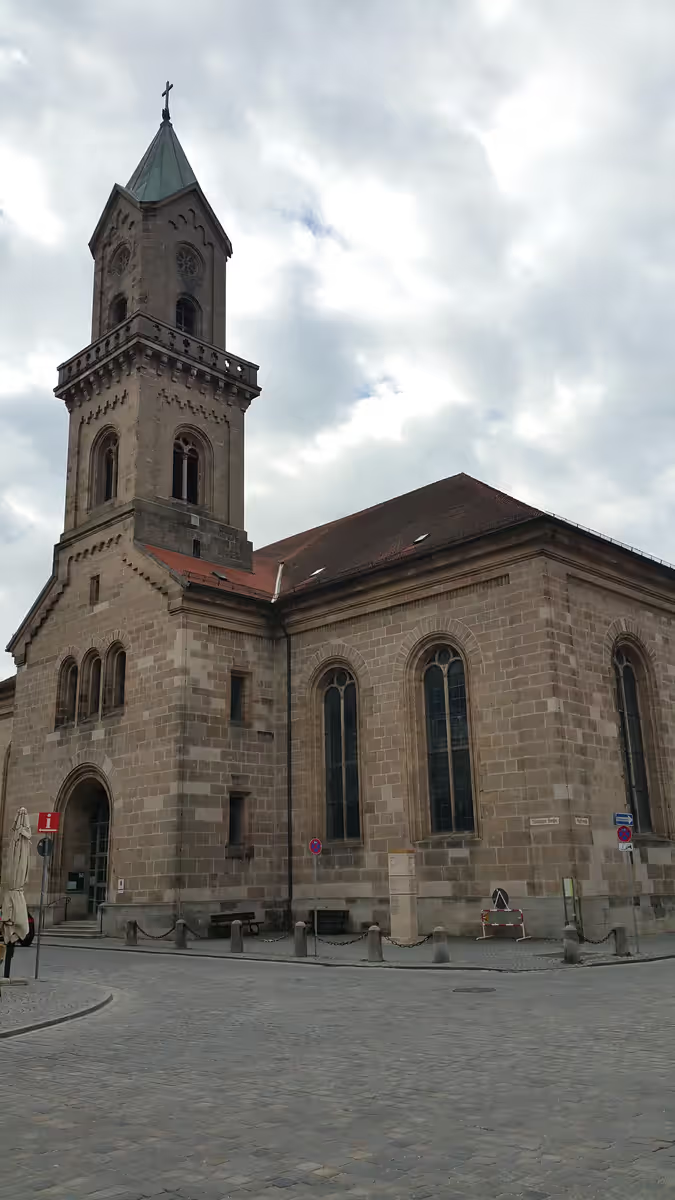
Dinkelsbühl – 40 kilometres south of Rothenburg – is equally preserved in its medievalism, but far less known. No masses of tourists, no souvenir industry of comparable scale, no crime museum. Instead: a completely intact town wall with towers, a Gothic minster (St. George, 1448–1490), a lively market square and quiet streets. Those who know Dinkelsbühl understand what Rothenburg might be if you had it to yourself.
Augsburg, Donauwörth and the Road South
Augsburg – with 30,000 years of settlement history, one of Germany's oldest cities, founded as Augusta Vindelicum – is home to the Fuggerei: the world's oldest social housing complex still in use today, built in 1521 by Jakob Fugger the Rich. Annual rent to this day: 0.88 euros. The Fuggers, Europe's wealthiest family in the 16th century, financed emperors and popes – and housed their workers for less than a euro a year.
Gallery
Frequently Asked Questions
How long is the Romantic Road?
Which places are the highlights?
How many days should I plan?
When is the best time to travel?
Your Experience
- Private transfer in a luxury vehicle
- Personal driver & travel companion
- Handpicked luxury hotels
- Flexible itinerary adjustments
Why this tour?
The Romantic Road is well known but rarely truly explored. Most visitors see Rothenburg for two hours and move on. Those who stay – in historic hotels, with time for morning walks through empty lanes – experience an entirely different journey.
Your Individual Private Tour
Every trip is planned for you
Route, duration, hotels and itinerary – tailored to your wishes. Price on request.
Enquire Now