Quedlinburg & Harz – Where Germany Began and Witches Fly
Henry I, 1,300 half-timbered houses, Goethe's Brocken and Europe's longest suspension bridge over a reservoir: Quedlinburg and the Harz are Central Germany's most underrated cultural landscape.
Plan Your Private TourDuration
2 days
Region
Quedlinburg / Harz, Saxony-Anhalt
Format
Private Chauffeur Tour
Highlights
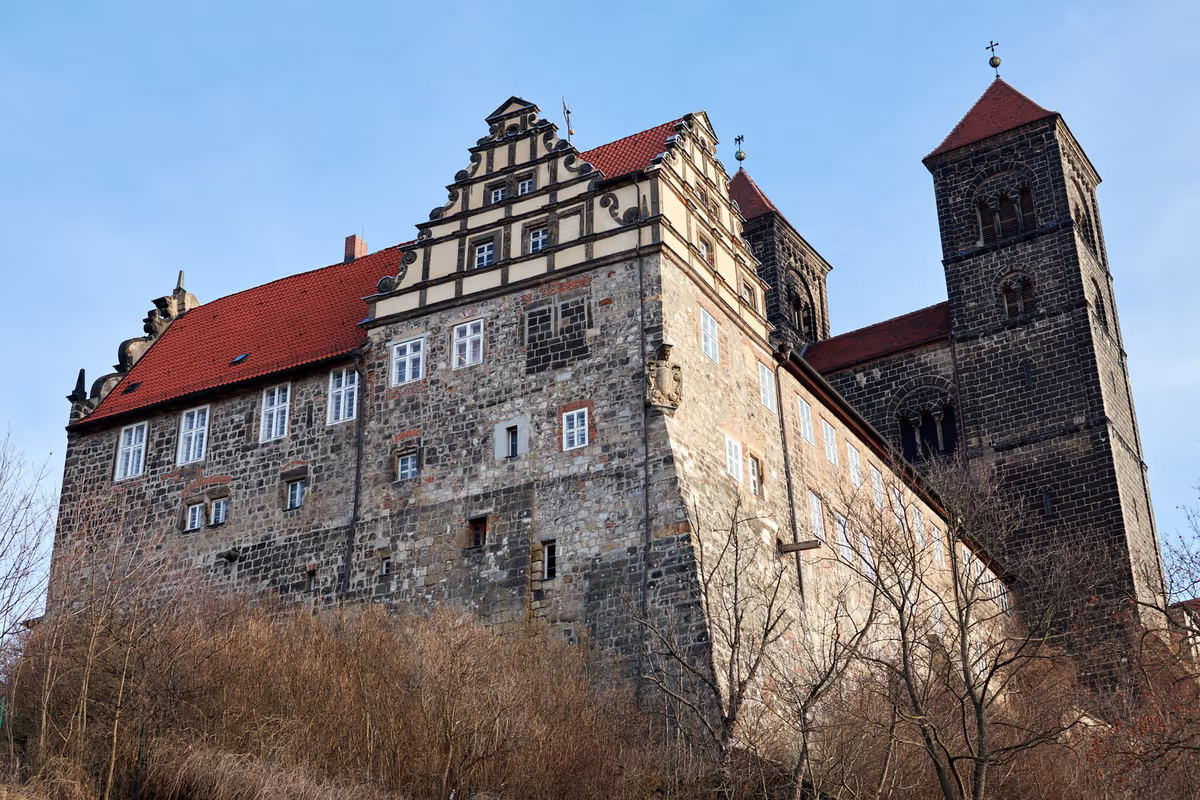
- St. Servatius Collegiate Church – Romanesque masterpiece, tombs of Henry I and Mathilde
- 1,300 half-timbered houses: Germany's greatest density, UNESCO since 1994, all original
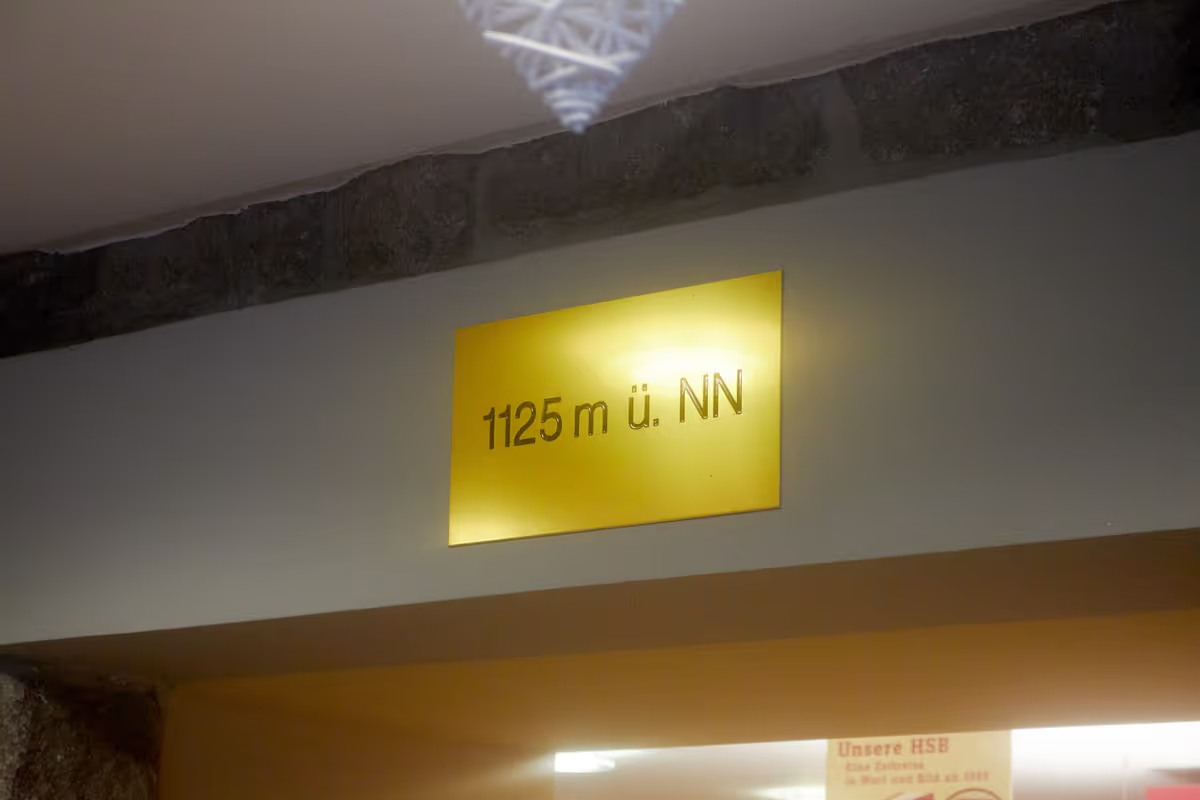
- Brocken (1,141 m) – Goethe's Faust inspiration, 40 years GDR restricted zone, 306 foggy days
- Titan RT – 483 m, Europe's longest pedestrian suspension bridge over a reservoir
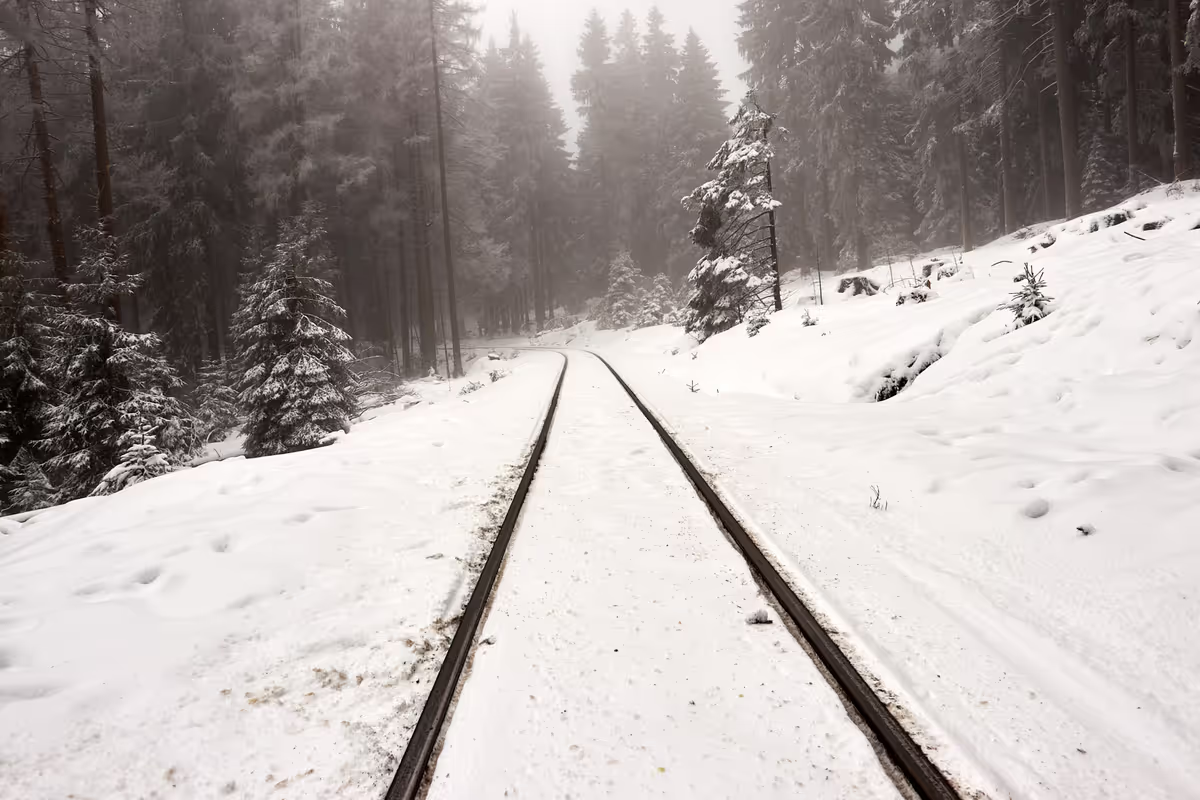
- Historic Brocken narrow-gauge railway through the Upper Harz (optional)
- Private transfer from Berlin (2 h), Hamburg (3 h) or Frankfurt (3 h)
Enquire – no commitment, no form.
Enquire →Experience
Geography: Germany's Oldest Upland Region
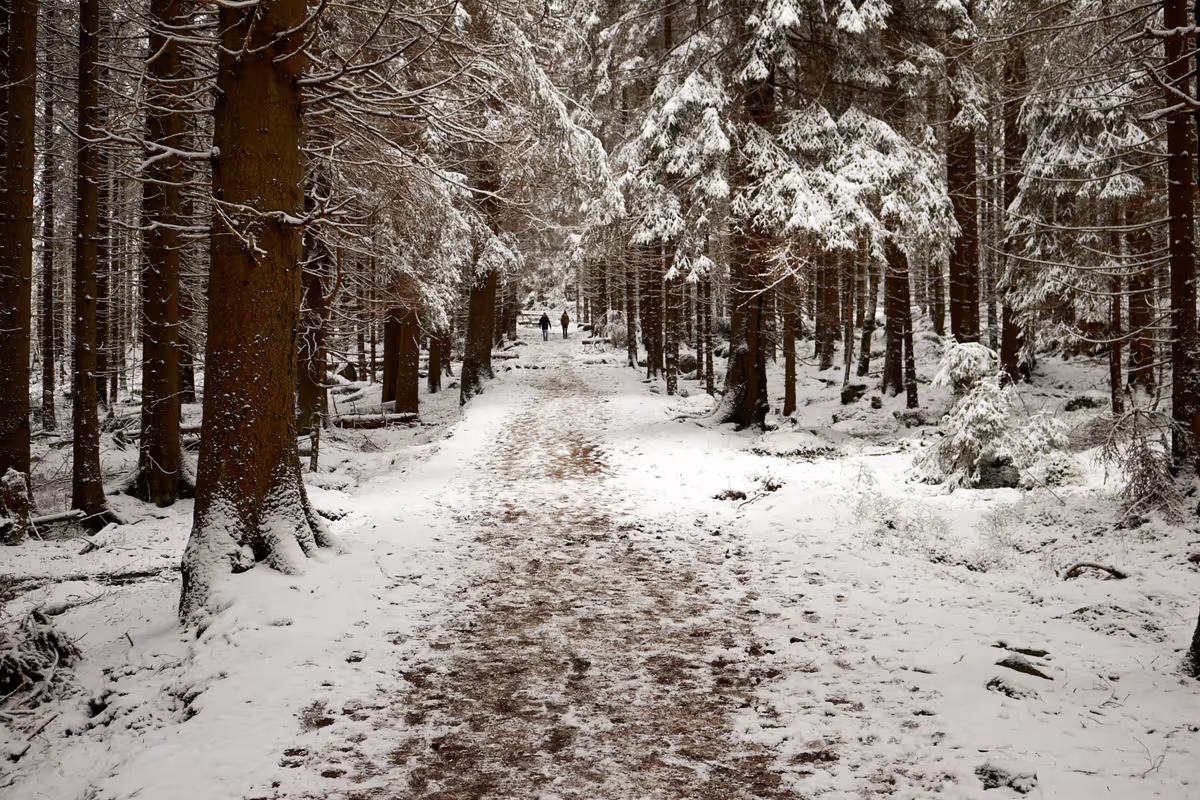
The Harz is Germany's northernmost upland region, with the Brocken (1,141 m) as its highest peak. The mountains lie at the junction of the states of Saxony-Anhalt, Thuringia and Lower Saxony, approximately 60 kilometres south of Magdeburg and 80 kilometres west of Halle. Quedlinburg lies at the northeastern edge of the Harz, where the uplands give way to the Magdeburg Plain – a border position between highland and lowland that shaped the city's history decisively.
Quedlinburg: Where Germany Began
Quedlinburg is no ordinary old town. It is one of the foundational sites of German history: King Henry I (876–936) resided here – the first king of East Francia and founder of the German royal dynasty. After his death in 936, his widow Mathilde established the Benedictine collegiate foundation on the castle hill, creating a spiritual and political centre of power that would endure for nearly a thousand years.
The collegiate church of St. Servatius, built essentially between 1070 and 1129, is one of the most important Romanesque basilicas in Germany. In the crypt lie the graves of Henry I and his wife Mathilde; the cathedral treasury preserves works of goldsmithing from the Ottonian Empire of extraordinary quality, including a comb crown, a reliquary shrine and an ivory equestrian statuette.
1,300 Half-Timbered Houses: Germany's Greatest Density
Quedlinburg's old town contains over 1,300 preserved half-timbered houses spanning eight centuries – the greatest density anywhere in Germany. The oldest date from the 14th century. The town survived the Second World War almost unscathed and received UNESCO World Heritage status in 1994 along with the collegiate foundation. What in other cities has been reconstructed is original here: the beams, facades and lanes are genuine.
Particularly worth seeing: Wordgasse (15th century), the Marktkirchhof with the Marktkirche St. Benedikti, and the castle hill with the collegiate church in evening light.
The Brocken: Goethe, Myth and GDR Restricted Zone
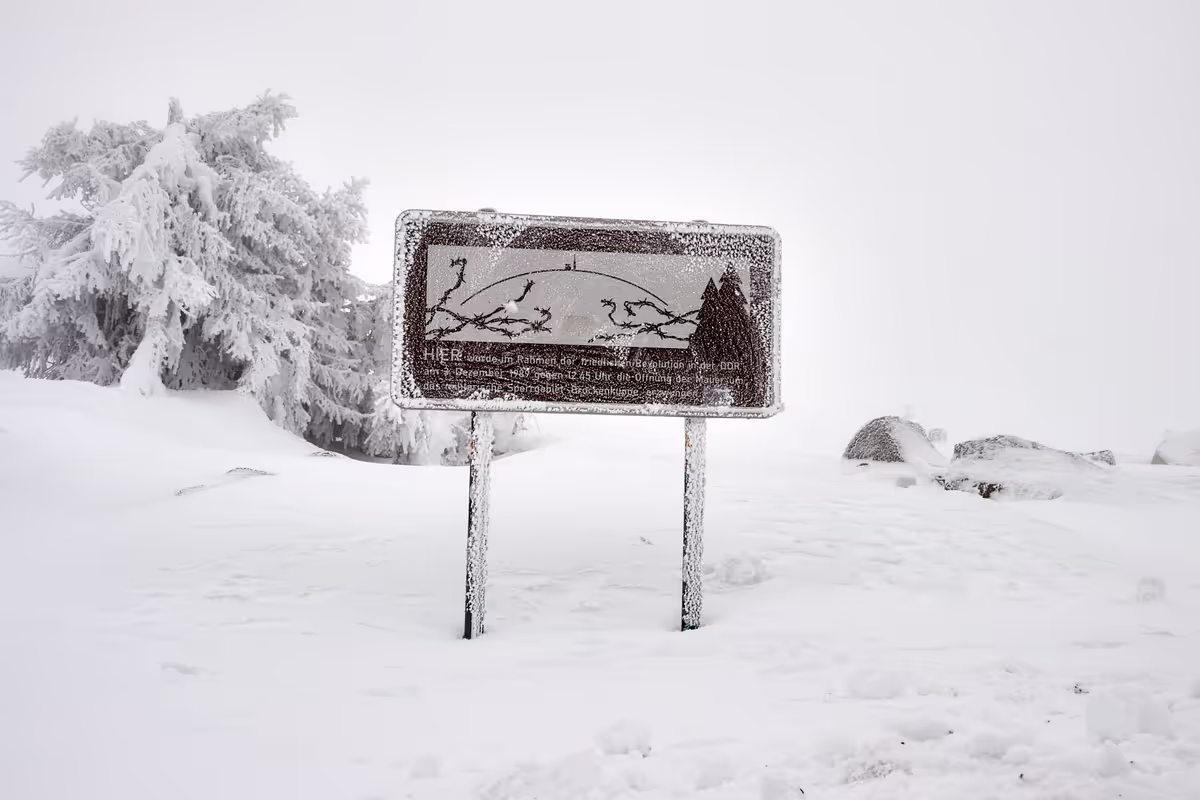
The Brocken (1,141 m) is the highest mountain in northern Germany and the most mythologised site in German folklore. Walpurgis Night (30 April), when witches are said to ride to the Brocken, was immortalised by Goethe in Faust – he himself climbed the mountain in winter 1777 and summer 1784, recording his impressions with scientific precision. The Brocken is meteorologically exceptional: it lies in fog on 306 days a year, with an average annual temperature of 2.9 degrees Celsius.
During the GDR period, the Brocken was entirely closed – a Soviet surveillance installation on the summit monitored the entire West German communications network. Only after reunification was the summit reopened in 1990.
Titan RT: Europe's Longest Pedestrian Suspension Bridge Over a Reservoir
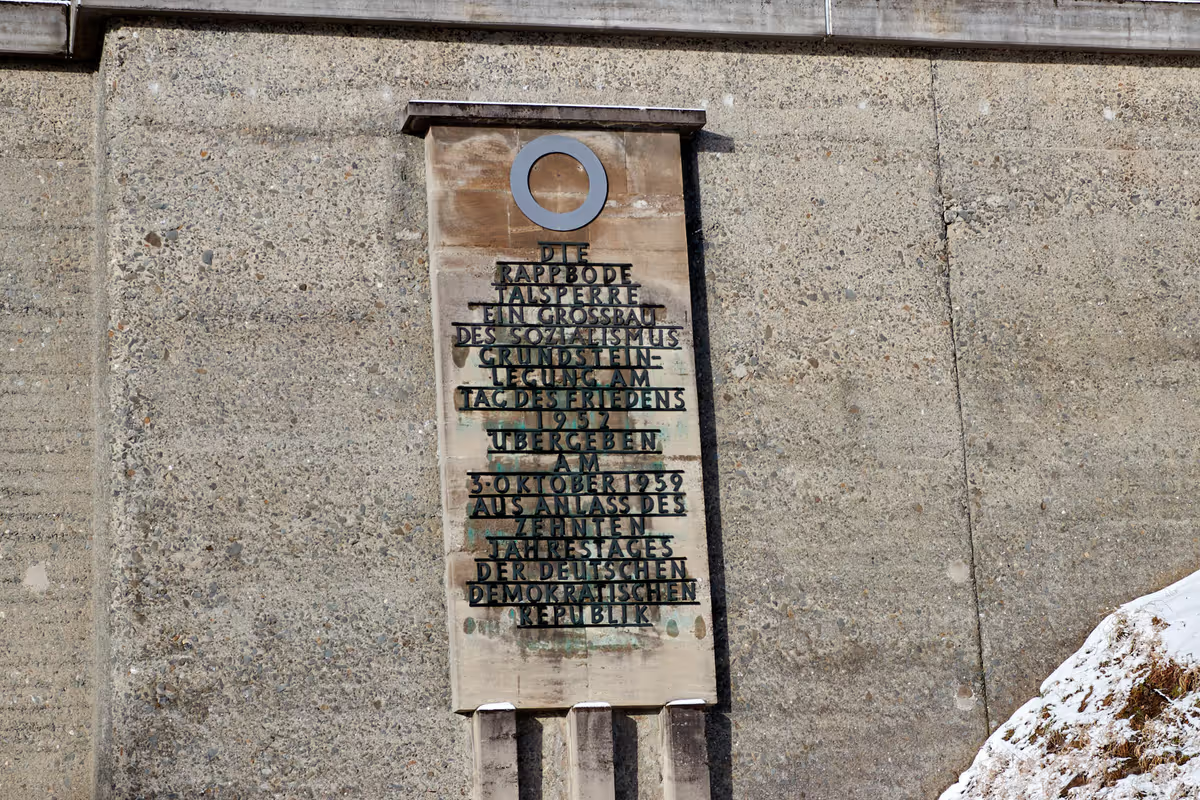
The Rappbode Dam near Thale is the Harz's most striking concrete structure – 415 metres long, 106 metres high. The Titan RT, opened in 2017 at 483 metres, is Europe's longest pedestrian suspension bridge over a reservoir. From it – 100 metres above the water – a panorama opens across the Upper Harz that conveys the scale of the mountains and their reservoir system at a single glance.
Gallery

Frequently Asked Questions
Why is Quedlinburg a UNESCO World Heritage Site?
Can you ride the Brocken Railway to the summit?
How many days should I plan?
What is the significance of Walpurgis Night?
Your Experience
- Private transfer in a luxury vehicle
- Personal driver & travel companion
- Handpicked luxury hotels
- Flexible itinerary adjustments
Why this tour?
Quedlinburg and the Harz lie at the heart of Germany – and for most travellers they are a blank spot on the travel map. That is precisely their appeal: authentic history, no tourist masses, a depth that surprises. Those who know Quedlinburg understand what medieval urban culture really means.
Your Individual Private Tour
Every trip is planned for you
Route, duration, hotels and itinerary – tailored to your wishes. Price on request.
Enquire Now